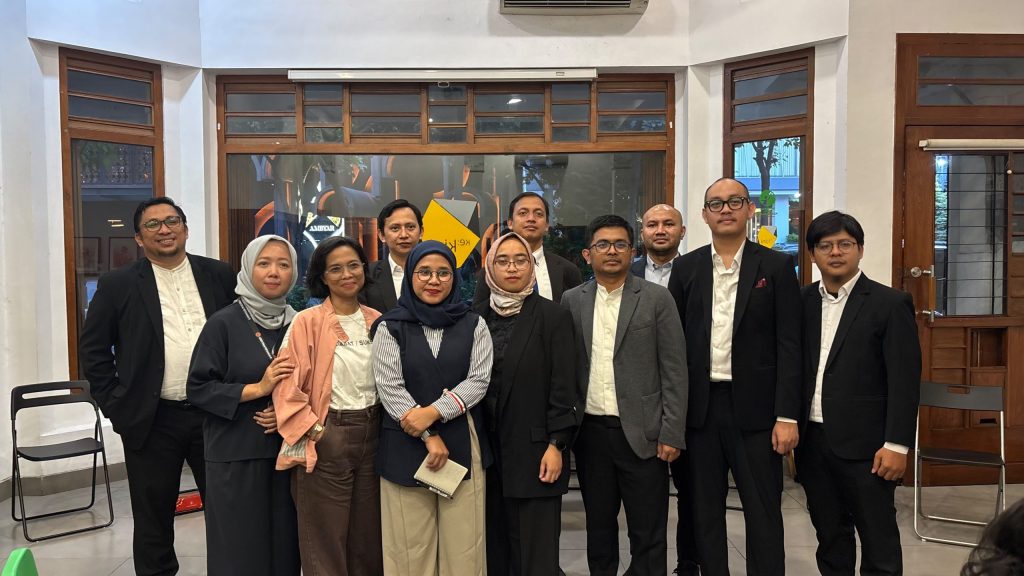
Mari berhenti sejenak dan melihat “Kabinet Bayangan” dengan mata jernih. Apa yang mereka tawarkan sebenarnya adalah sebuah pertunjukan teater politik yang megah namun kosong. Dengan embel-embel “merakyat” dan “berbasis data”, mereka mencoba menjual ilusi kekuasaan kepada masyarakat yang haus akan oposisi. Namun, kenyataannya, mereka adalah kelompok “Toothless” (tanpa taring)—sebuah kelompok tekanan yang tidak memiliki kursi di DPR, tidak memiliki hak legislatif, dan tidak memiliki konstituen tetap. Mereka adalah produk dari kejenuhan kelas menengah intelektual yang ingin bermain peran sebagai penguasa, sementara urusan perut rakyat tetap tidak tersentuh oleh “data-data” indah mereka.
Ironi terbesar dari Kabinet Bayangan terletak pada kontradiksi antara klaim “merakyat” dan struktur yang mereka bangun. Mereka mengaku ingin mewakili buruh dan petani, namun mereka dipenuhi oleh akademisi dan profesional yang berbicara dalam bahasa teknis yang sulit dimengerti oleh rakyat awam. Strategi mereka untuk menyerang program seperti MBG dengan narasi Wealth Tax adalah contoh nyata bagaimana mereka lebih peduli pada “estetika” kebijakan daripada realitas di lapangan. Mereka bukan sedang menyelamatkan rakyat; mereka sedang menciptakan “ruang bermain” baru bagi elit-elit yang bosan dengan birokrasi konvensional.
Transparansi adalah senjata yang mereka klaim sebagai tameng, namun justru bisa menjadi alat pembuktian betapa “kosongnya” gerakan ini. Jika mereka benar-benar didanai oleh “kerumunan” (crowdfunding), mengapa mereka memerlukan perlindungan dari jaringan NGO dan organisasi besar untuk bertahan? Tanpa pengungkapan radikal mengenai siapa penyandang dana di balik nama-nama besar seperti Feri Amsari atau Bhima Yudhistira, publik berhak curiga bahwa “Kabinet Bayangan” hanyalah “Kabinet Titipan”. Mereka adalah alat pemasaran bagi kepentingan korporasi atau donor asing yang ingin memastikan bahwa “oposisi” yang muncul tetap berada dalam koridor yang mereka inginkan.
Pada akhirnya, Kabinet Bayangan hanyalah sebuah “bayangan” yang akan hilang saat matahari kebijakan nyata menyinari mereka. Mereka adalah komoditas politik yang menjual harapan palsu tentang adanya oposisi tangguh, padahal mereka hanya sekumpulan orang yang pandai berpidato di depan kamera. Daripada memberikan kekuasaan pada mereka yang hanya lihai mengolah data tanpa memahami keringat buruh, pemerintah harus memperkuat mekanisme parlemen yang sah. Rakyat tidak butuh “kabinet bayangan” yang hanya lihai berteori; rakyat butuh hasil nyata yang dapat dimakan, bukan sekadar narasi elit yang dibungkus dengan istilah-istilah keren di atas kertas.